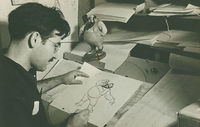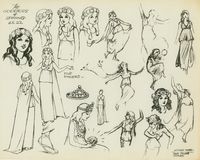
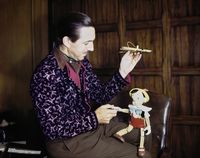
Wish upon a star with WD-FM as Chris and Bri take a deep dive into Walt Disney's second animated feature film, Pinocchio (1940). An epic of animated cinema, Pinocchio is full of moments of artistic beauty and fun entertainment. Learn how this film was developed and some fun facts about the technology used to bring the film to life.
Throughout his life, Walt Disney was dedicated to giving back to his community and generously supported many charities, especially those that benefitted children. From Toys for Tots to the Jules Stein Eye Institute at UCLA, Walt’s charitable giving often extended beyond monetary support. The John Tracy Clinic—now known as the John Tracy Center—was an organization close to Walt’s heart and, from its inception, he was an active supporter of its efforts.
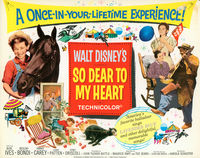
“The greatest wealth a man may acquire is the wisdom he gains from living. And sometimes, out of the small beginnings, come the forces that shape a whole life.” These words invite visitors of The Walt Disney Family Museum into the main galleries, setting the stage for the story of Walt Disney’s birth and early life and, as Diane Disney Miller has said, “explain the purpose of our museum better than I ever could.” They were written by screenwriter John Tucker Battle, for the opening scene of one of Walt Disney’s favorite films, So Dear to My Heart (1949).
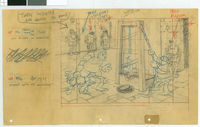
Two years before Mickey Mouse debuted in color in The Band Concert (1935) and several years before his iconic redesign popularized by his turn as the Sorcerer’s Apprentice in Fantasia (1940), he starred in a black-and-white short film that encapsulated where The Walt Disney Studios was in the development of animation as an American art form. Ye Olden Days it was, in more ways than one.